Exterior Painting
Exterior Painting
For homes in Norwood, Westwood, Walpole, Dedham, Canton and Sharon.
An exterior coating in this climate has to survive water getting behind it, freezing, and pushing back out — several dozen times a winter. That is what actually breaks paint films here, not UV.
So the work is mostly about what the coating is sitting on: sound substrate, dry wood, sealed end grain, and primer chosen for the surface rather than whatever was in the truck.
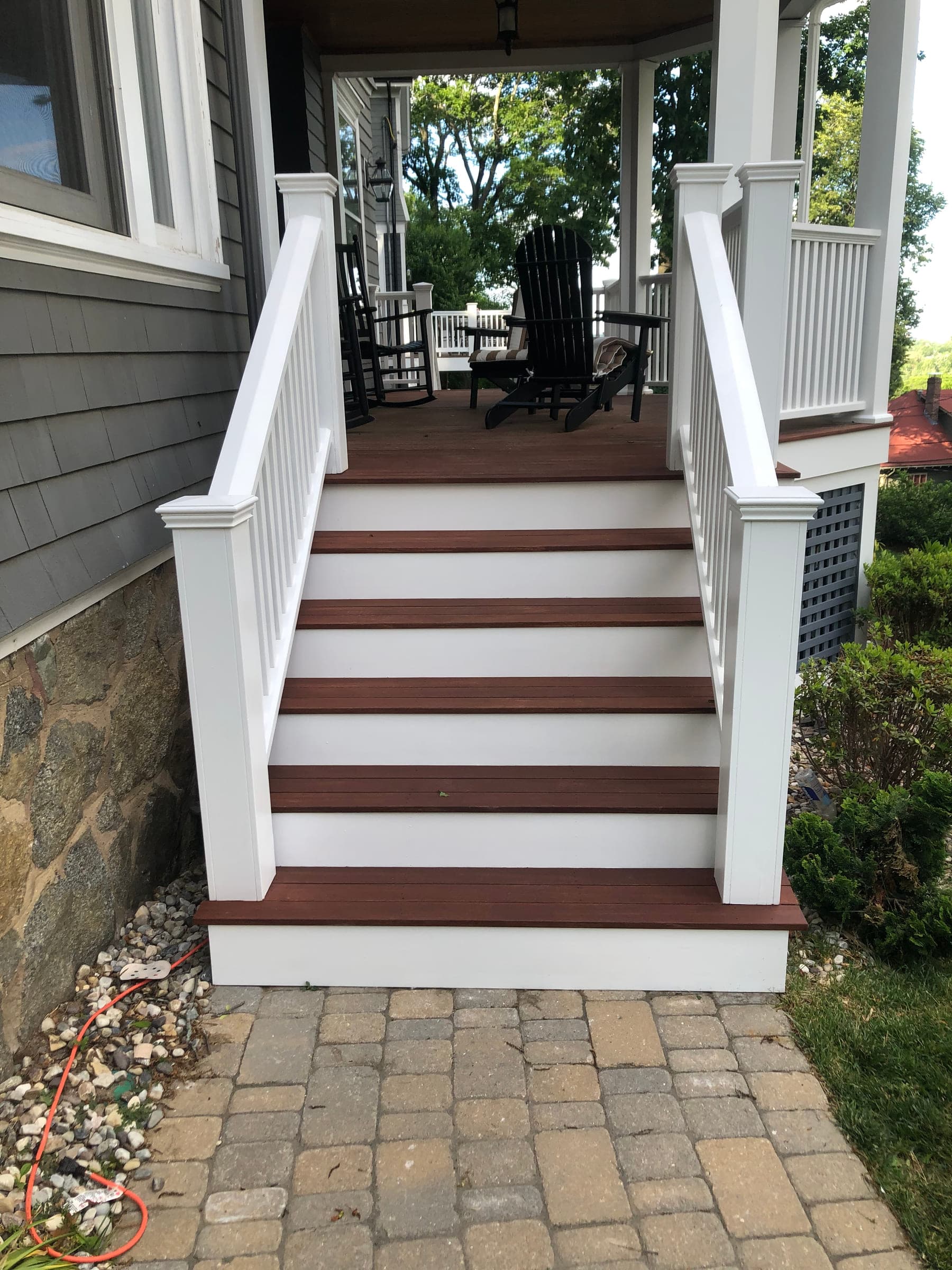
What's included
What the job covers
- Siding, trim, fascia, soffits, corner boards, window casings and doors
- Wash-down and scrape back to sound substrate
- Adhesion checks on suspect areas before any coating goes on
- Substrate-matched priming — bare wood, previously coated, and repairs each get the right primer
- Caulking at joints and end grain where water gets in
- Rot and trim repair identified before painting rather than painted over
- Weather-window scheduling around temperature, dew point and rain
- Plants, walks and driveways protected; daily site clean-up
What goes wrong
The problems we are actually solving
Paint that peels in sheets after one winter
Almost always moisture behind the film, or a coat applied over a surface that was never sound. Scraping back to something the primer can actually bond to is the fix, and it is the part that takes the time.
Rot found halfway through
Soft trim, failed corner boards and rotted sill ends are common on older houses here. We look for it before we quote, not after we have started, and we can handle the carpentry ourselves rather than stopping the job to find someone.
Coating applied outside the window
Paint applied too cold, too damp, or too late in the day never fully coalesces. It looks finished and fails early. We schedule around dew point and surface temperature, which sometimes means moving a day.
End grain left open
Cut ends on trim and clapboard drink water. Sealed end grain is a five-second step per cut that adds years to a finish and is skipped constantly.
How it runs
Step by step
- 01
Walk the exterior
We go around the house, probe the soft spots, note where water is getting in, and separate what needs carpentry from what needs paint.
- 02
Wash and scrape
Surface wash, then scrape and sand back to sound substrate. Anything that will not hold a coat comes off.
- 03
Repair
Rot, failed trim and open joints get repaired and sealed before priming, so the coating is not the thing holding the house together.
- 04
Prime to the substrate
Bare wood, patched areas and previously coated surfaces each get the primer that suits them.
- 05
Coat in the window
Finish coats scheduled around temperature, dew point and rain, so the film cures the way it is supposed to.
- 06
Walkthrough
We walk the full perimeter with you, look at it in daylight from the street and up close, and handle anything outstanding.
Workmanship
Where the time goes
Freeze-thaw is the design constraint
Everything about the prep here is aimed at one thing: not letting water sit behind the coating over a Massachusetts winter. That is why we care more about caulking, end grain and drainage detail than about which brand goes on top.
Season matters
The reliable exterior window here runs roughly late spring to early autumn. Work at the edges of it is possible but needs tighter scheduling around temperature and dew point. Booking early gets you the middle of the window.
We would rather move a day than lose a season
If conditions are wrong we will tell you and reschedule. A coating applied in bad conditions costs you the whole job two years early.
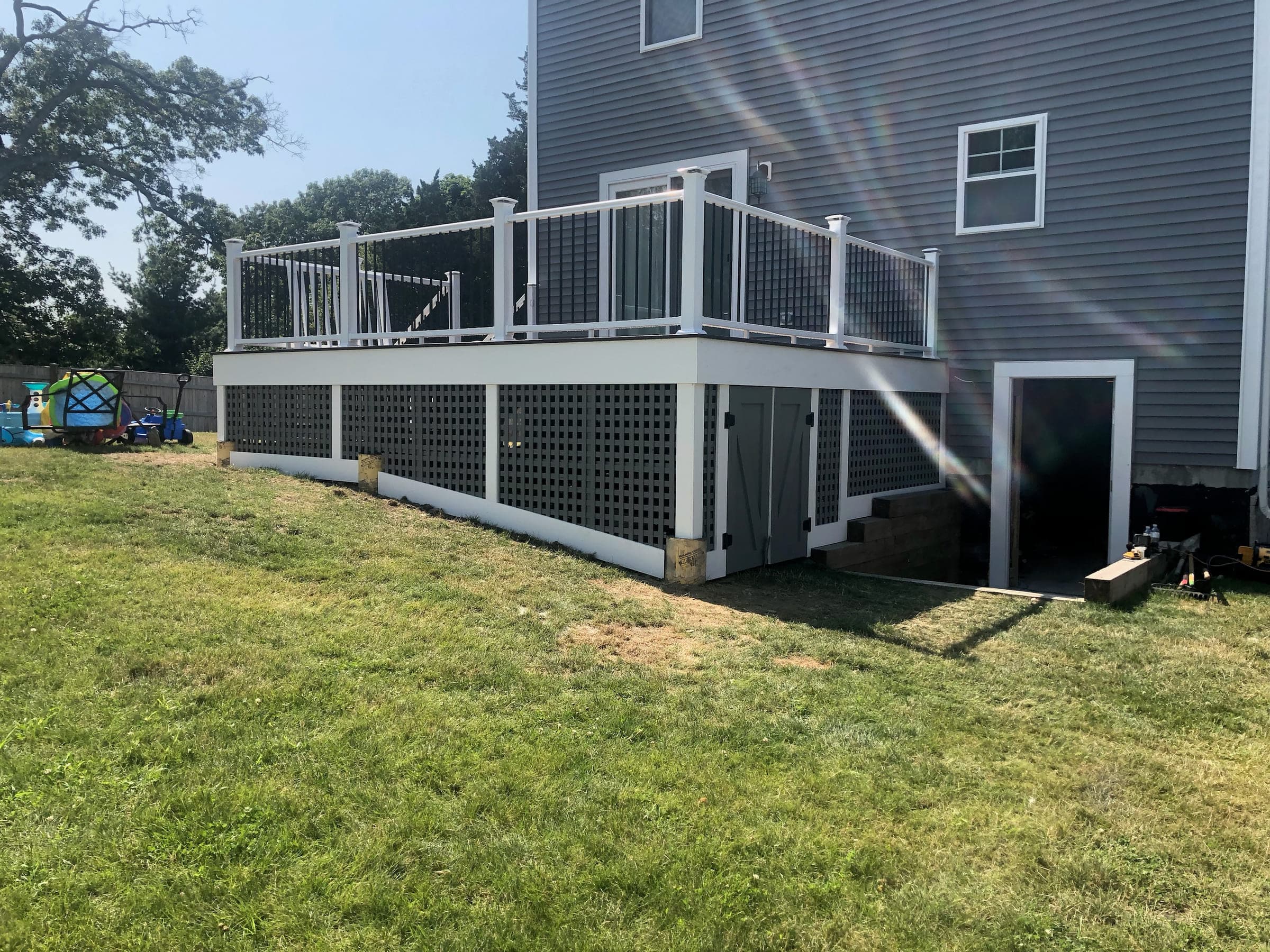
Areas served
Exterior Painting across our towns
We cover six towns around Norwood. Where we have written in depth about exterior painting in a specific town, it is linked below.
Questions
Exterior Painting questions
What's the best time to schedule exterior painting in Massachusetts?
Late spring through early autumn is the dependable window. Work either side of that is possible but depends on surface temperature and dew point rather than the calendar. Booking in winter or early spring usually gets you a better slot in the season.
How often does a house here need repainting?
It depends far more on exposure and the quality of the last prep than on a fixed interval. South and west elevations and anything under a drip line always go first. We would rather look at your house and tell you which elevations need doing than quote a generic number of years.
Do you handle rot and trim repair as well?
Yes — carpentry and painting are handled by the same team, so rotted trim, failed corner boards and soft sill ends get repaired and sealed as part of the job rather than becoming a second contractor and a second delay.
Will you pressure wash my siding?
We wash surfaces before painting, but pressure washing older clapboard and shingle at high pressure drives water behind the siding and does more harm than good. We match the method to the substrate.
Does exterior painting do anything beyond appearance?
The coating is the weather layer. Its job is keeping water out of wood. A properly prepped and sealed exterior protects trim, siding and sheathing from exactly the freeze-thaw cycling that causes rot here.
Related
Often needed alongside
Interior Painting
Walls, ceilings, trim and doors — prepped properly, cut in clean, and finished so the room still looks right three years from now.
About interior paintingCarpentry
Trim, framing, repairs and custom woodwork — sequenced with the painting and finish work so nothing gets built twice.
About carpentry
Free estimates
Get a price for your exterior painting
Send a few photos and a sentence or two about what you need. We will come back to you with next steps — and for most jobs we will want to see it in person before quoting a firm number.